World Ocean Day 2026
According to rough estimates, up to 19 million tonnes of waste end up in our oceans every year. Once there, it causes immense—and in some cases irreversible—damage to marine wildlife and entire ecosystems. It is high time to address the root causes of this pollution.
In 2009, the United Nations officially established World Oceans Day, which is observed annually on 8 June to raise awareness of these critical issues and inspire action to protect our oceans.
General info
What can each of us do to combat the escalating pollution of our oceans? This World Ocean Day We’ll be sharing information on-site at the House of the Sea!
General Info
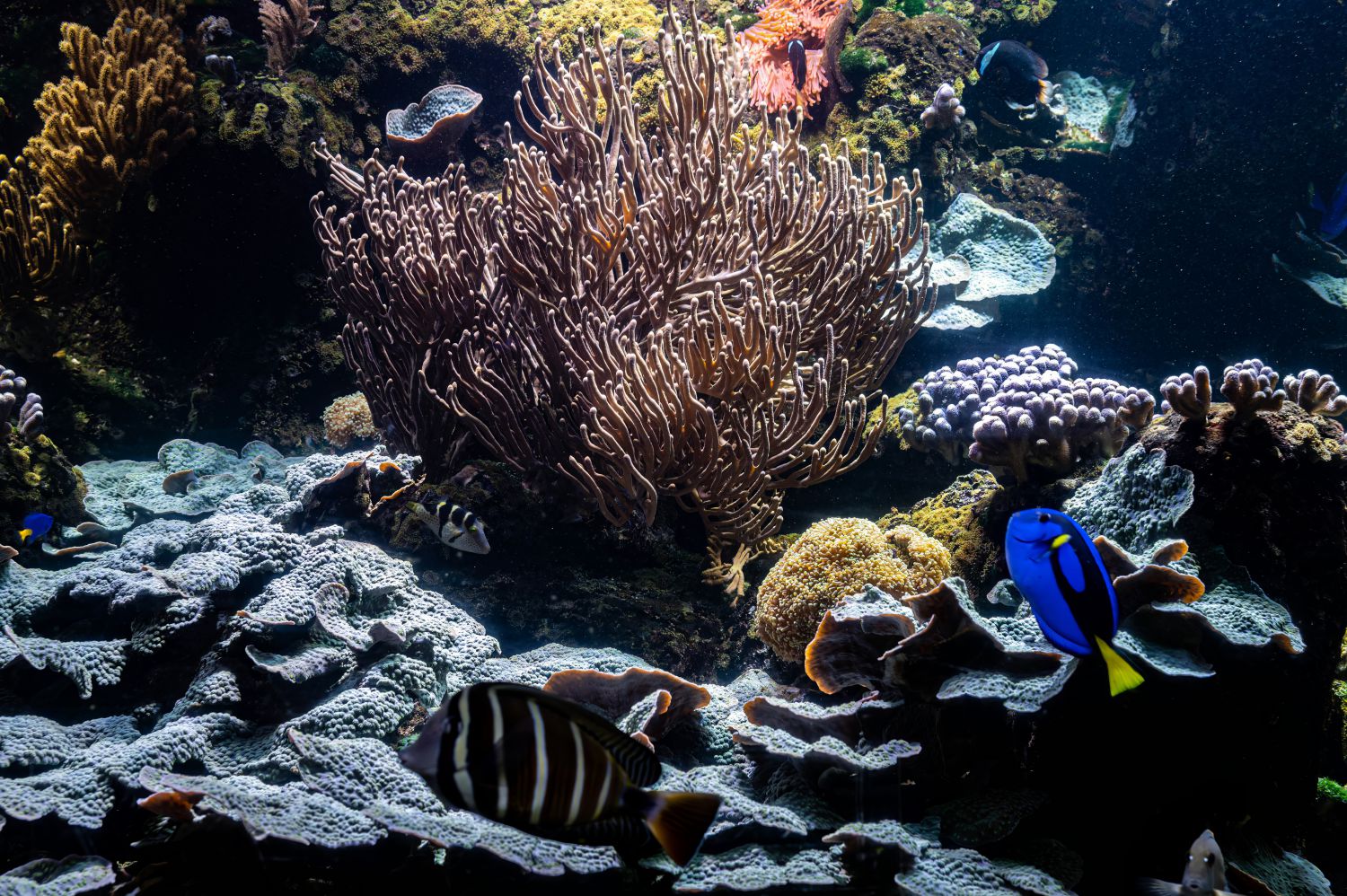
- Only about 5% of the world’s oceans have been explored so far
- Only around 8% of the world’s oceans are declared protected areas, and just 2% are fully protected from fishing activities.
- Humans are accelerating natural extinction by a factor of 1000.
Mass tourism
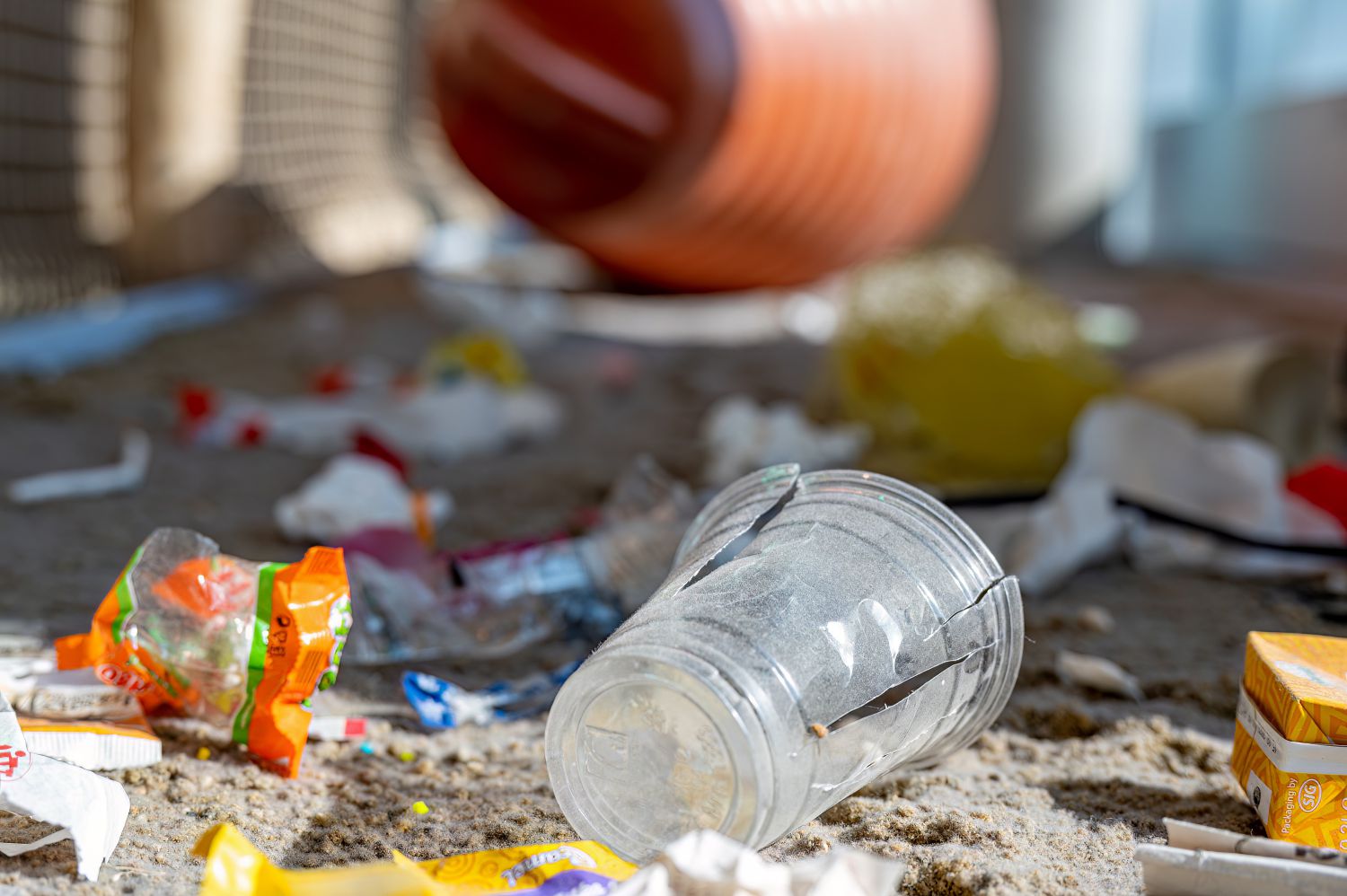
Half of the garbage found on beaches in the Mediterranean is caused by tourism. The majority of which is plastic.
Garbage / Plastic waste
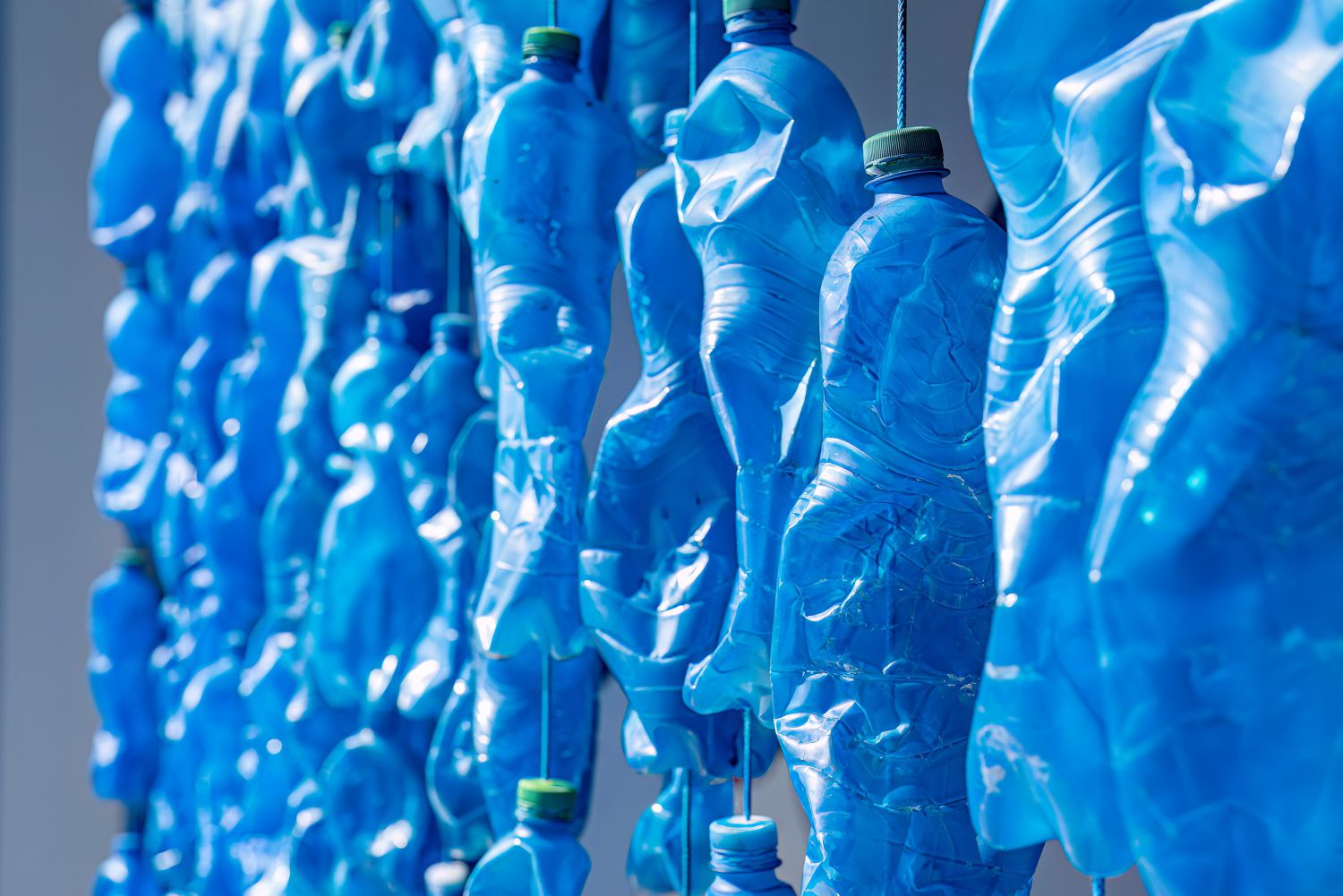
- Every year, around 19 million tonnes of waste enter the oceans – the equivalent of more than one garbage truck load every minute.
- The largest garbage patch drifts in the North Pacific and covers an area of approximately 1.6 million square kilometres – about 19 times the size of Austria.
- Ghost nets are lost or abandoned fishing nets that continue to drift through the oceans, posing a serious threat to marine life.
- Most plastic waste reaches the oceans via wastewater systems and rivers.
- An estimated 150 million tonnes of plastic are currently in the oceans. Around 80% originates on land, and half of that is single-use plastic.
- About 70% of all plastic waste in the oceans sinks to the seabed.
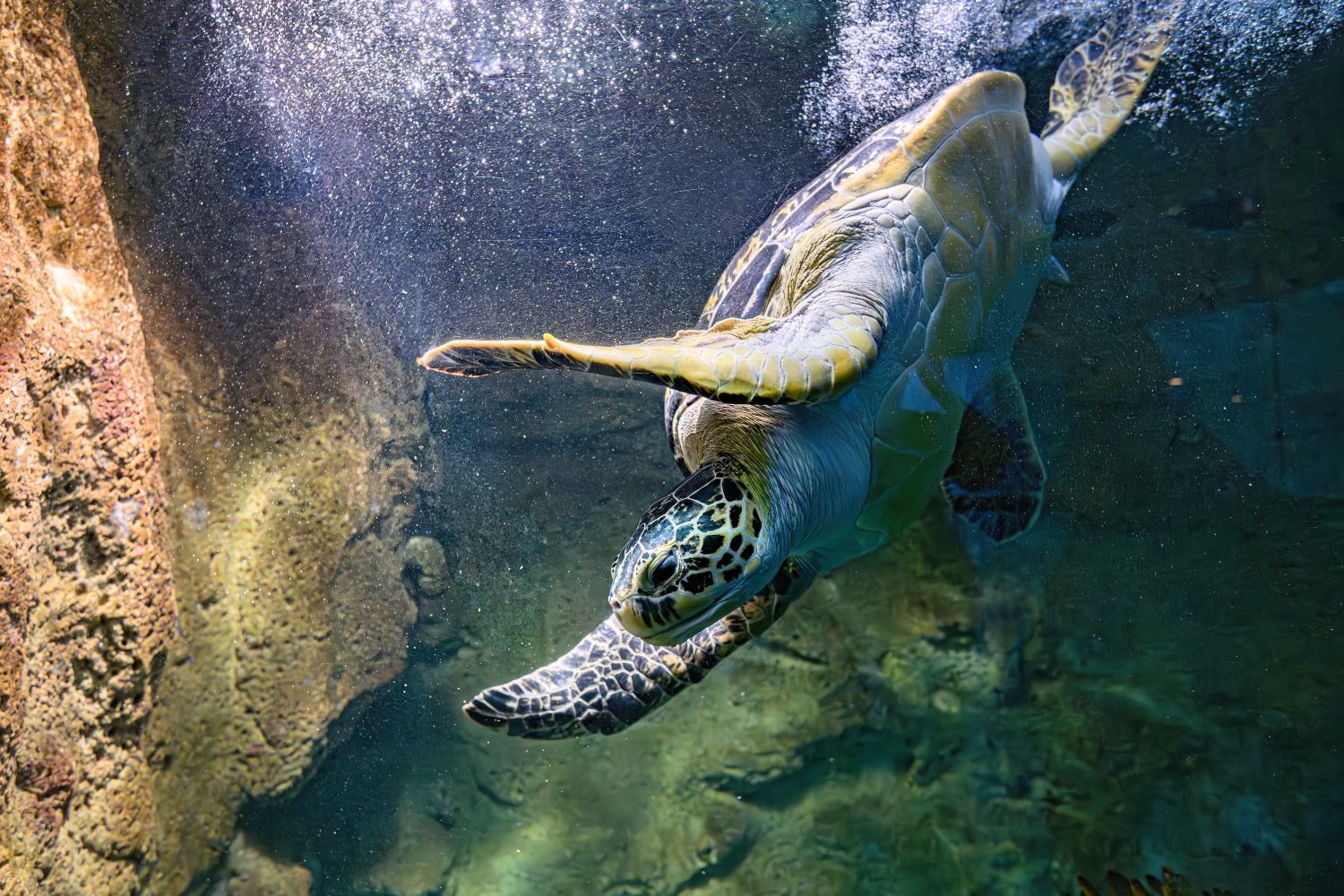
- Plastic bags are particularly dangerous for sea turtles, which often mistake them for jellyfish and ingest them.
- Over time, plastic breaks down into ever smaller fragments, becoming microplastics. Microplastics are defined as plastic particles smaller than 5 mm in size.
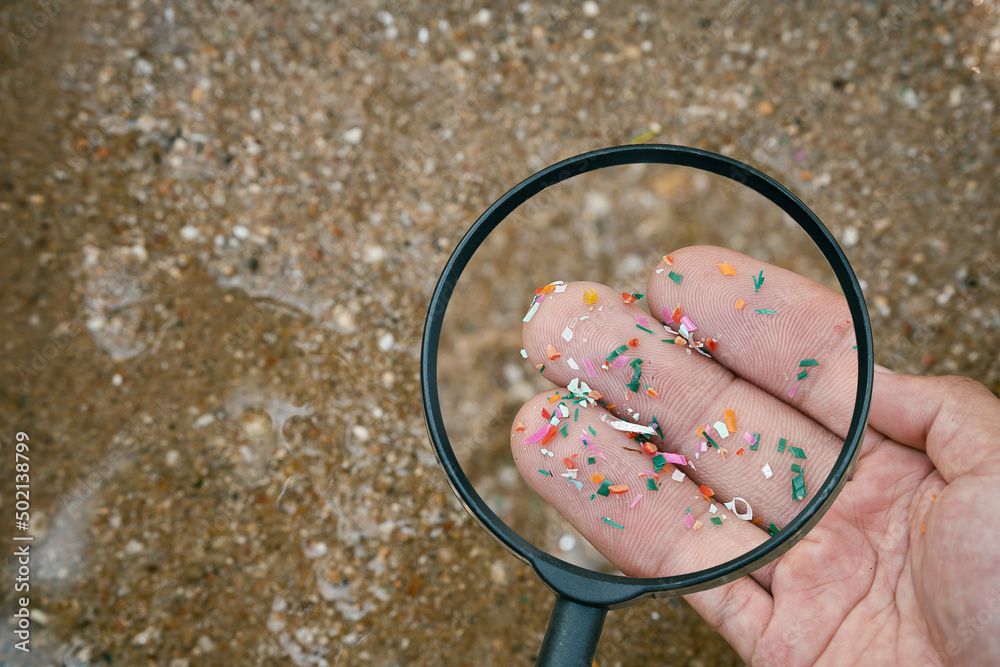
Microplastics
- Primary microplastics: These originate from larger plastic items that break down into smaller fragments through factors such as abrasion, saltwater, bacteria, and sunlight. Sources include plastic waste entering the environment via land or waterways, microfibres released during the washing of synthetic clothing, and particles generated by tyre wear on road surfaces.
- Secondary microplastics: These are intentionally manufactured microscopic plastic particles found in products such as cosmetics, detergents, and toothpaste. Once used, they enter wastewater systems, and their tiny size often allows them to pass through wastewater treatment plants without being filtered out.
- The dangers of microplastics: As plastic degrades into microplastics, harmful chemicals can be released into the environment. In addition, microplastics can act like magnets, attracting and accumulating pollutants and pesticides from the surrounding water, making them an even greater threat to marine ecosystems and wildlife.
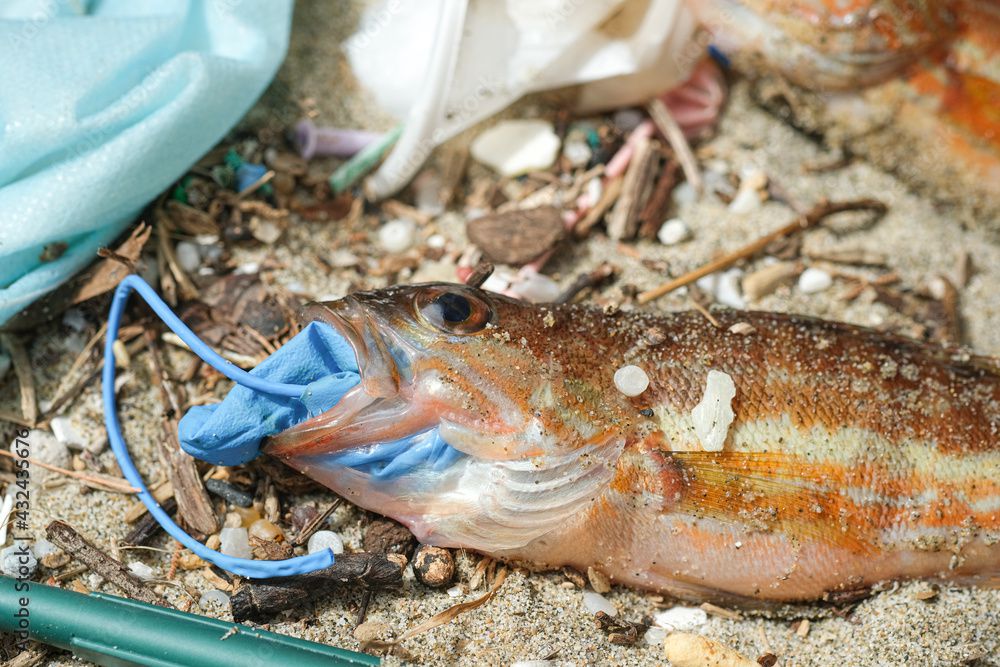
Dangers to Wildlife
- Larger plastic items are often mistaken for food because of their appearance and smell. When ingested, they can cause choking or block the digestive tract. As a result, animals may starve to death despite having a full stomach.
- The ingestion of microplastics can cause inflammation of the digestive system and may also affect animals’ feeding and reproductive behaviour.
- In addition to ingestion, larger plastic debris can cause injuries, while animals that become entangled in plastic may suffer deformities and permanent damage as the material cuts into or grows into their bodies.
- It is estimated that 52% of all sea turtles and 90% of all seabirds have ingested plastic.
- Every year, around one million seabirds and 100,000 marine mammals die as a result of marine litter.
- By 2050, it is estimated that almost every seabird will have plastic fragments in its stomach.
Facts Austria
- Around 1.6 billion plastic beverage bottles are placed on the Austrian market each year – equivalent to approximately 180 plastic bottles per person annually. This was revealed by a survey commissioned by the Austrian Ministry for the Environment in early 2020. However, only about 40% of plastic bottles are actually recycled. (ORF, 2021)
- More than 900,000 tonnes of plastic waste are generated in Austria every year, including around 50,000 tonnes from beverage packaging. This corresponds to nearly 2.5 billion bottles and cans annually. (Federal Ministry, 2021)
- Around 40 tonnes of plastic enter the Danube in Austria each year. The river then carries up to 1,500 tonnes of plastic into the Black Sea annually, making it one of the major pathways by which inland plastic pollution reaches marine environments. (Sources include the Austrian Federal Ministry, ORF, Die Presse, and Der Standard, 2015–2022).
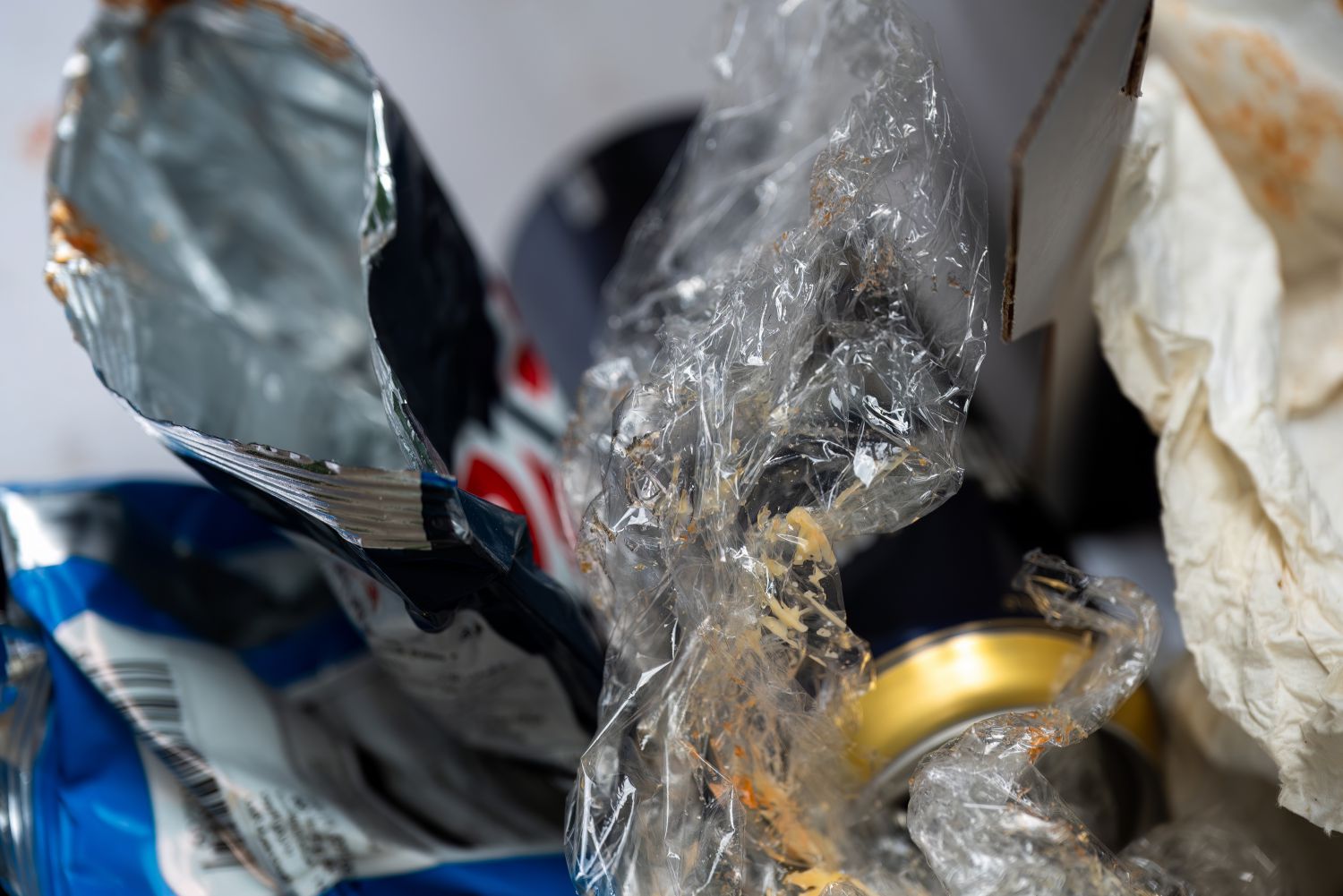
Degradation time for waste
- Newspaper – 6 weeks
- Apple core – 2 months
- Cardboard packaging – 2 months
- Milk carton – 3 months
- Plywood – 1-3 years
- Wool socks – 1-5 years
- Cigarette butts – 1-5 years
- Plastic bag – 10-20 years
- Foam buoy – 50 years
- Styrofoam cup – 50 years
- Tin can – 50 years
- Aluminium can – 200 years
- Plastic cup holders – 400 years
- Plastic bottles – 450 years
- Fishing line – 600 years
- Disposable diaper – 450 years
- Glass bottle – undetermined
What We Can Do
- Reduce plastic use: Choose reusable everyday products whenever possible and avoid plastic packaging and single-use items.
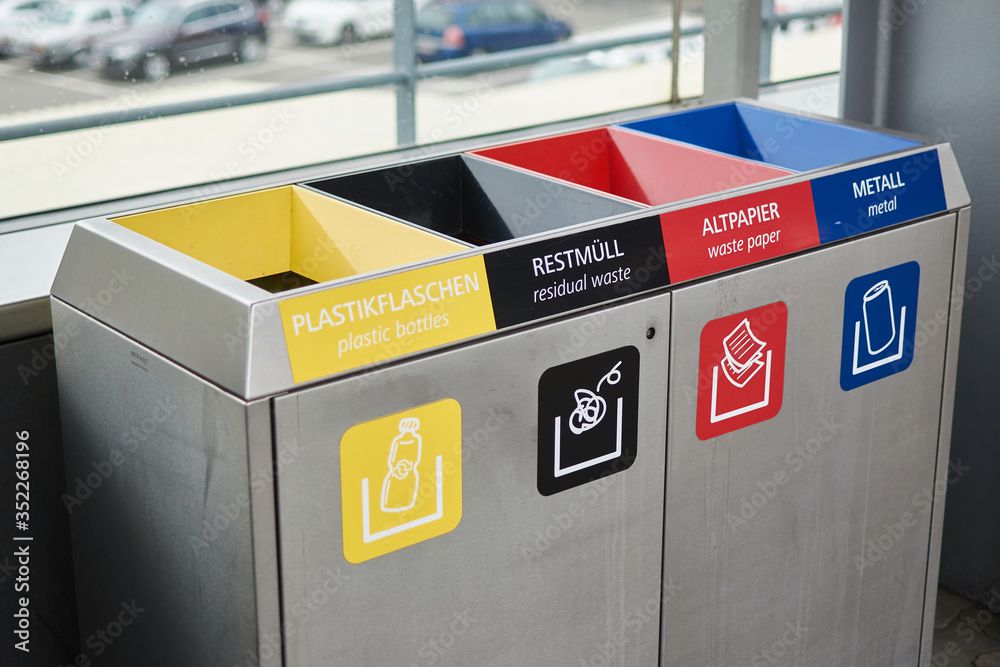
- Separate waste properly: Correct waste sorting is essential for effective recycling. The Vienna waste management service (MA 48) provides comprehensive information on how to dispose of waste correctly.
- Watch out for microplastics: When purchasing cosmetics and cleaning products, look for microplastic-free alternatives. Choose clothing made from natural fibres such as cotton, and reduce the use of fabric softeners and harsh chemicals that can contribute to microplastic pollution.
- Consume locally: Buy food from regional producers whenever possible. Local products usually require shorter transport routes and often use less plastic packaging. Choosing seasonal products can further reduce environmental impact.
Ocean’s end?
This initiative aims to inspire individuals to become proactive advocates, united in safeguarding our oceans from plastic waste.
Further Information
https://worldoceanday.org/
https://plasticfreeconnected.com/